
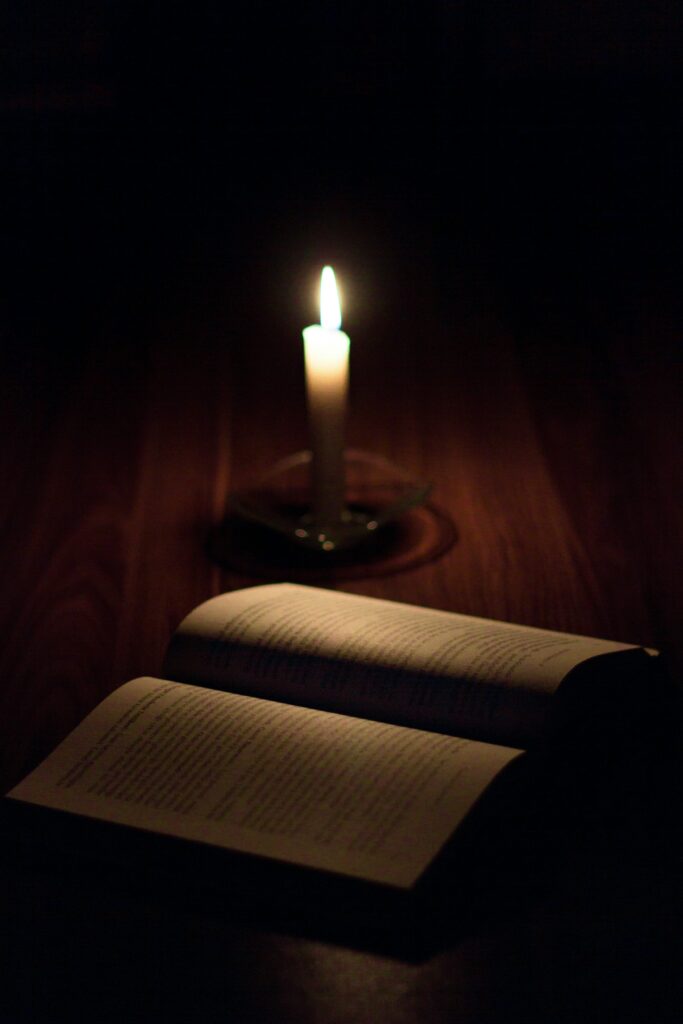
Evening settled over an American town in the 1840s. Outside, the streets smelled of rain on brick and coal smoke curling from stovepipes. Inside, a lamp hissed above a family gathered close around a small table. The mother’s voice rose and fell as she read aloud from a fresh magazine—its pages still sharp, the ink faintly sweet. Beyond their windows, presses thundered through the night. The republic was learning to speak softly again.
The torch that once blazed through revolution now burned in quieter rooms. The fight for freedom had become the work of shaping conscience. Printers and editors across the country asked a new question: how do we build a people worthy of the liberty they won?
One answer came from Sarah Josepha Hale. A widowed schoolteacher turned editor, she believed the moral heart of the young nation beat in its homes. In 1837 she took the helm of Godey’s Lady’s Book and transformed it from a fashion sheet into a magazine of ideas. She wrote that intellect in women was not rebellion but refinement—an idea quietly revolutionary in its time. Through essays, fiction, and advocacy for education and gratitude, she showed that family life could be both beautiful and strong. Her campaign for a national Thanksgiving was not sentiment—it was civic healing. She printed beauty to strengthen virtue.
Across town lines, another editor heard the same call—in a different register. William Lloyd Garrison, publisher of The Liberator, set type with trembling hands in a small Boston office that smelled of metal and fear. His paper’s circulation was tiny, its impact enormous. Week after week he declared that slavery was a sin the nation could no longer bear. He fought with words only, refusing violence but never retreating from truth. “I will be heard,” he said—and he was.
If Garrison’s words shook the conscience, Frederick Douglass’s restored its faith. Born enslaved and self-educated, Douglass founded The North Star in 1847. Its motto gleamed across the masthead: Right is of no sex—Truth is of no color. Readers gathered in parlors and church basements to hear his editorials read aloud. In those rooms, the promise of equality moved from theory to belief. The sound of liberation was the turning of a page.
Together, these voices—Hale’s gentle instruction, Garrison’s integrity, Douglass’s radiant courage—turned print from a weapon of rebellion into a workshop for renewal. They built a people who believed goodness could be taught, shared, and printed into being.
When we trace their footsteps, we see our own. The ink of Hale’s editorials stains every modern family magazine that teaches gratitude. Garrison’s courage lives in every publisher who refuses easy falsehood. Douglass’s light shines through every story that honors human dignity. In an age of noise, they remind us that decency, courage, and calm still belong in print.
At Minnesota Family Magazine, we stand in that same long line of moral printers. We publish not to escape the world but to heal it—one story, one household, one reader at a time. Like those voices of the nineteenth century, we believe families are where a nation’s character is set in type.
The thunder of the old presses has faded, but listen closely: you can still hear it in the heartbeat of a home, in the rustle of pages at a kitchen table, in the quiet decision to live by what is good and true. That sound is the republic renewing itself again.
These are the voices for the common good. And the next one is ours.